Blog. How good voice agents are arranged.
Ten patterns for who holds a phone call, what runs beside it, and where it begins and ends. Each one with a diagram, the signals that call for it, and the LiveKit code to build it.
Start here · 3 min read
Ten voice agent patterns, and how to pick one
A field guide to the ten ways to arrange a voice AI phone call: who holds the call, what runs beside it, and what happens at its edges. With diagrams and LiveKit code.
Read the guideWho holds the call. Every agent uses exactly one of these at any moment of the call. They nest.
-
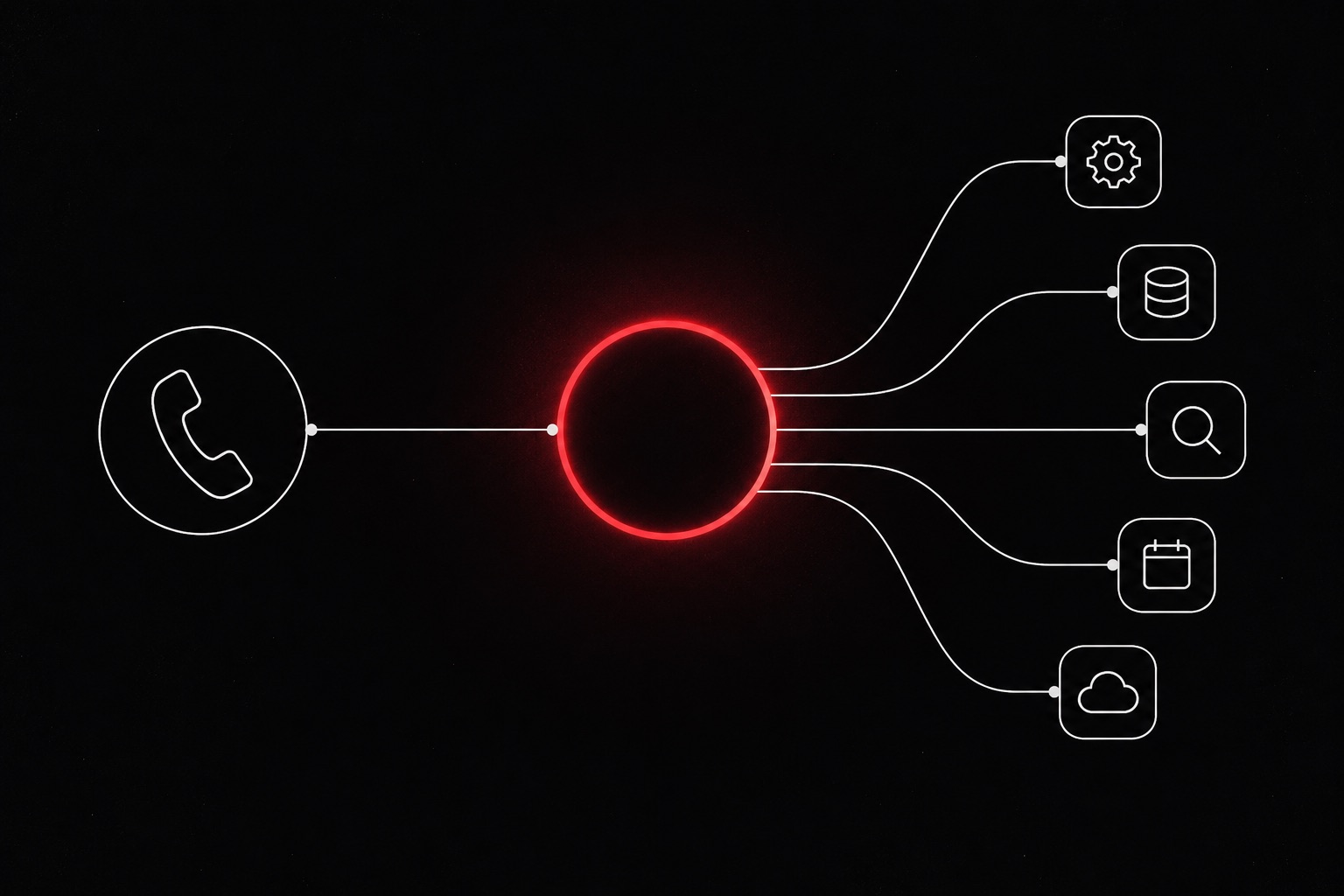
Solo
One agent holds the whole call with one prompt and every tool.
Pattern 01 -
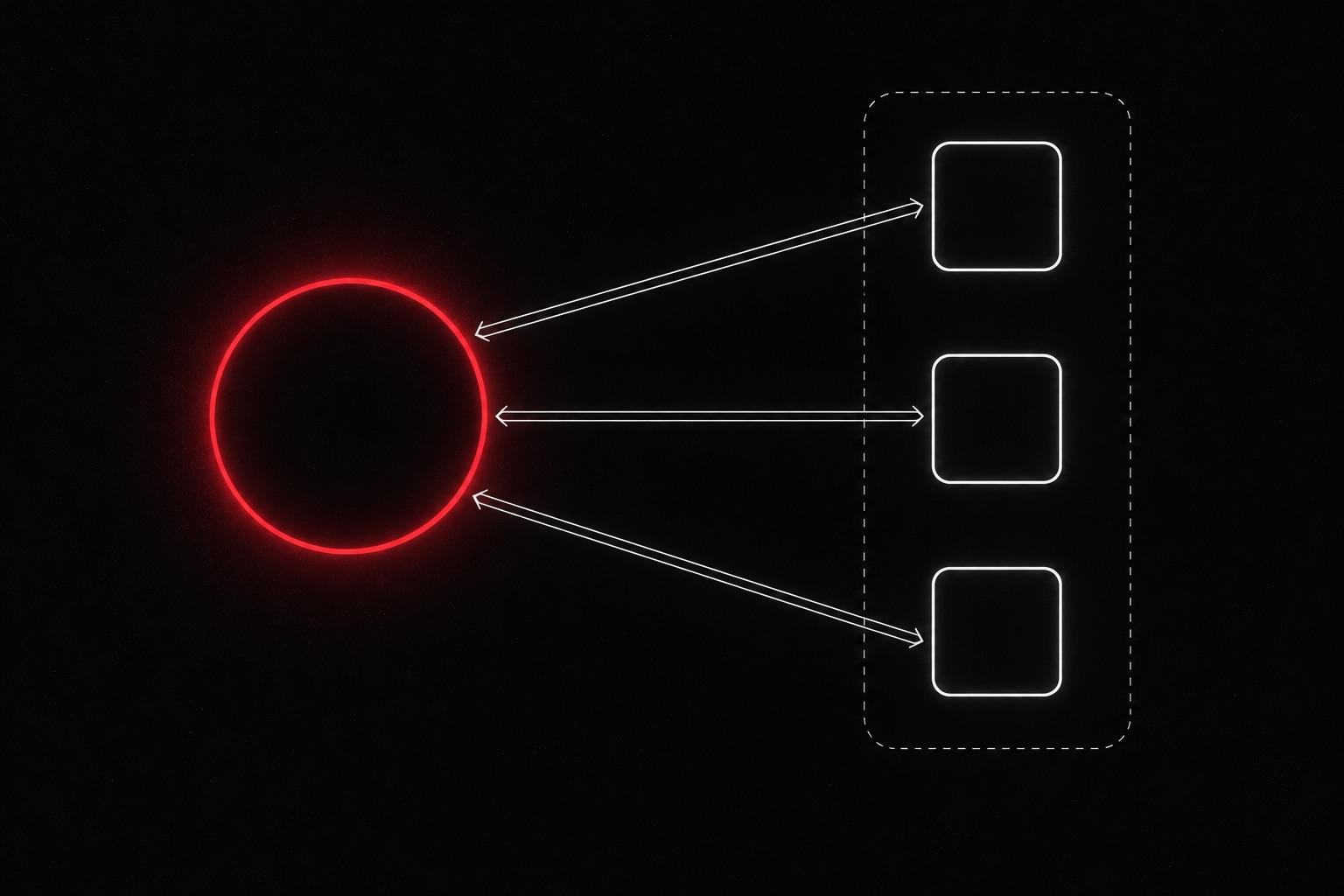
Supervisor
One agent keeps the call and lends it to focused tasks, each of which hands back a typed result.
Pattern 02 -

Relay
Control passes from agent to agent. Each owns a phase with its own voice, tools and permissions.
Pattern 03 -
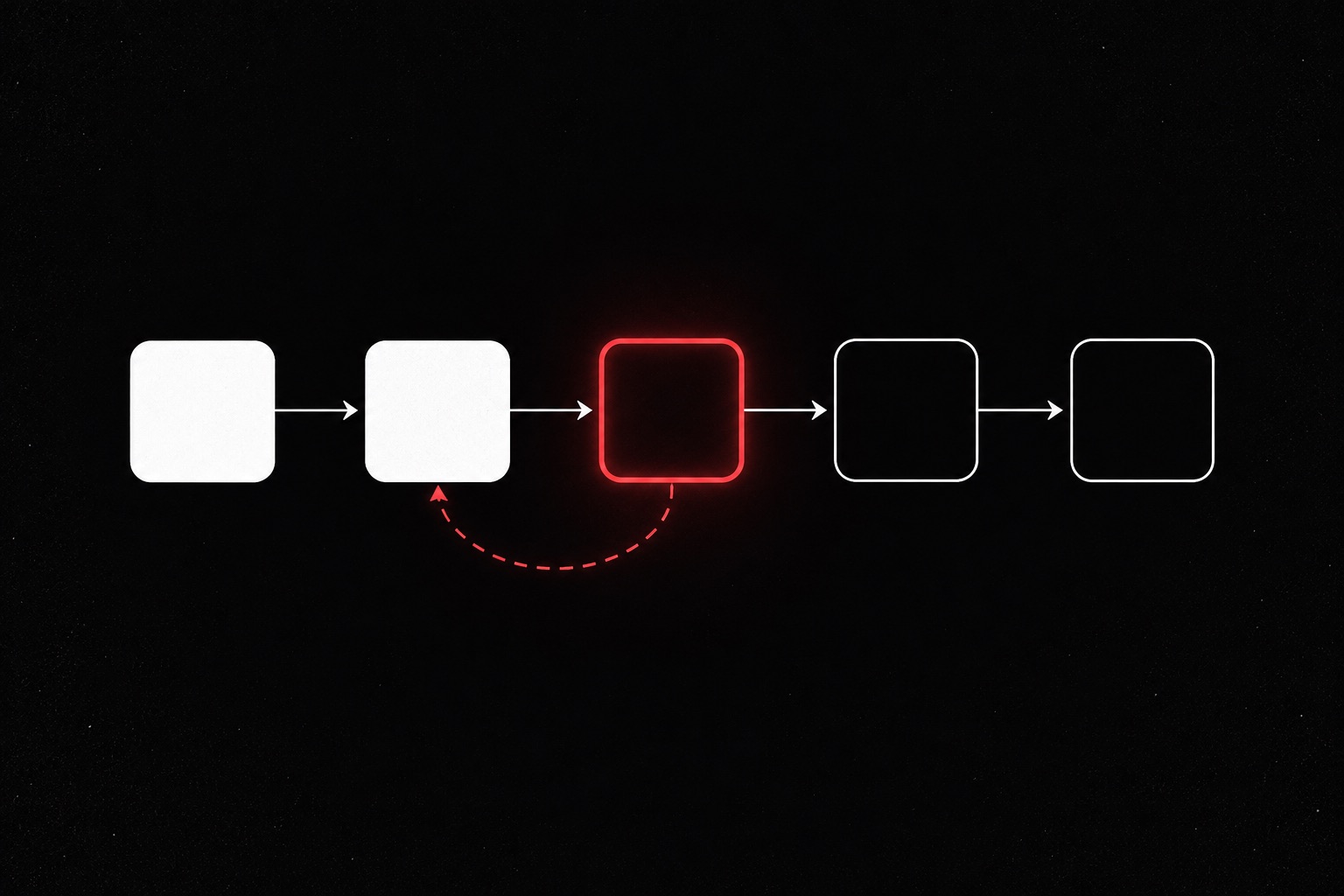
Guided Path
The flow fixes the order of steps. The caller can step back to fix an earlier answer.
Pattern 04
What runs beside the call. A second line of work next to whoever is speaking, so the line never goes quiet.
-
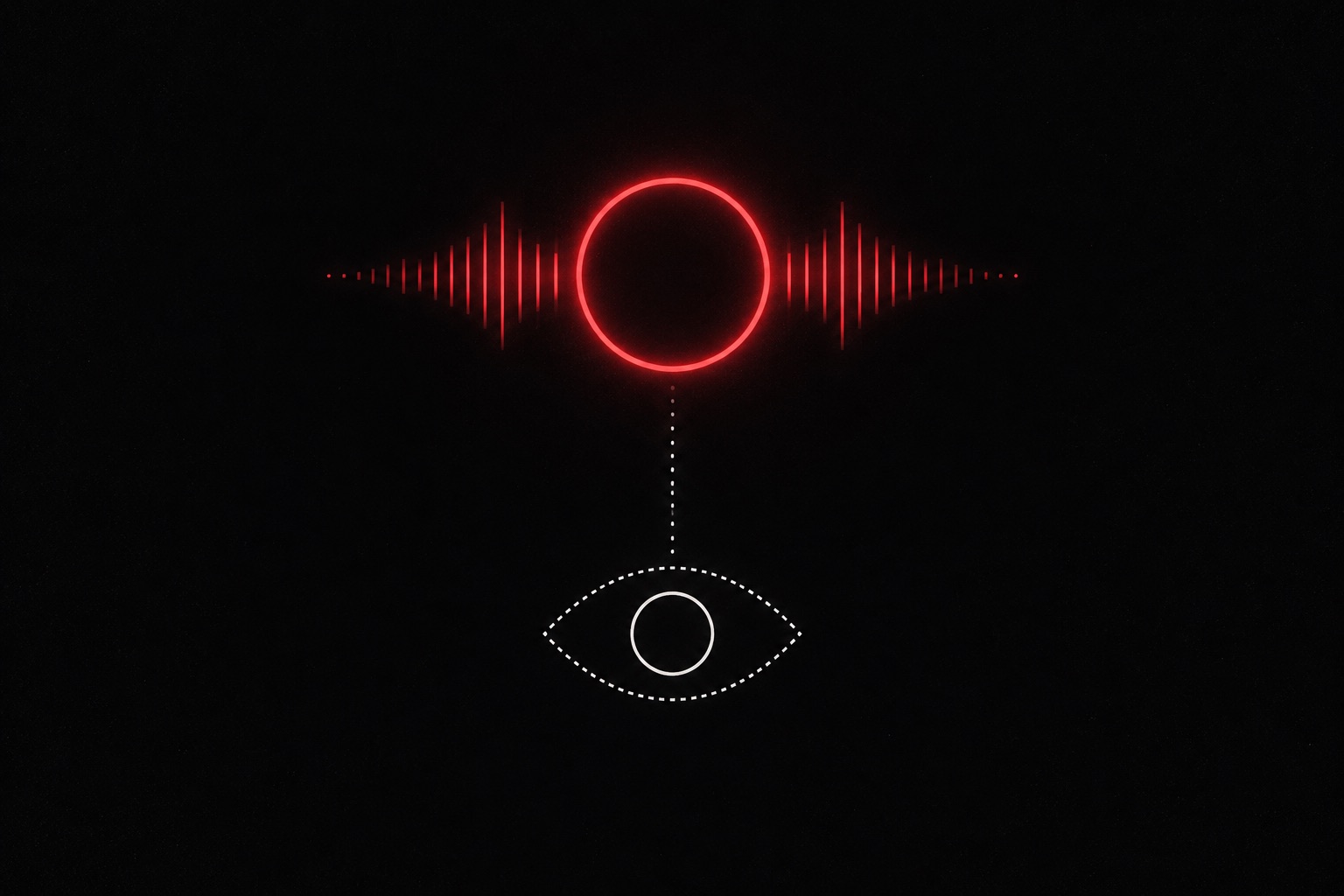
Observer
A silent second model reads the transcript and steers the speaking agent. It never talks to the caller.
Pattern 05 -

Talker and Thinker
A fast model answers every turn while a slower reasoning model plans alongside it.
Pattern 06 -
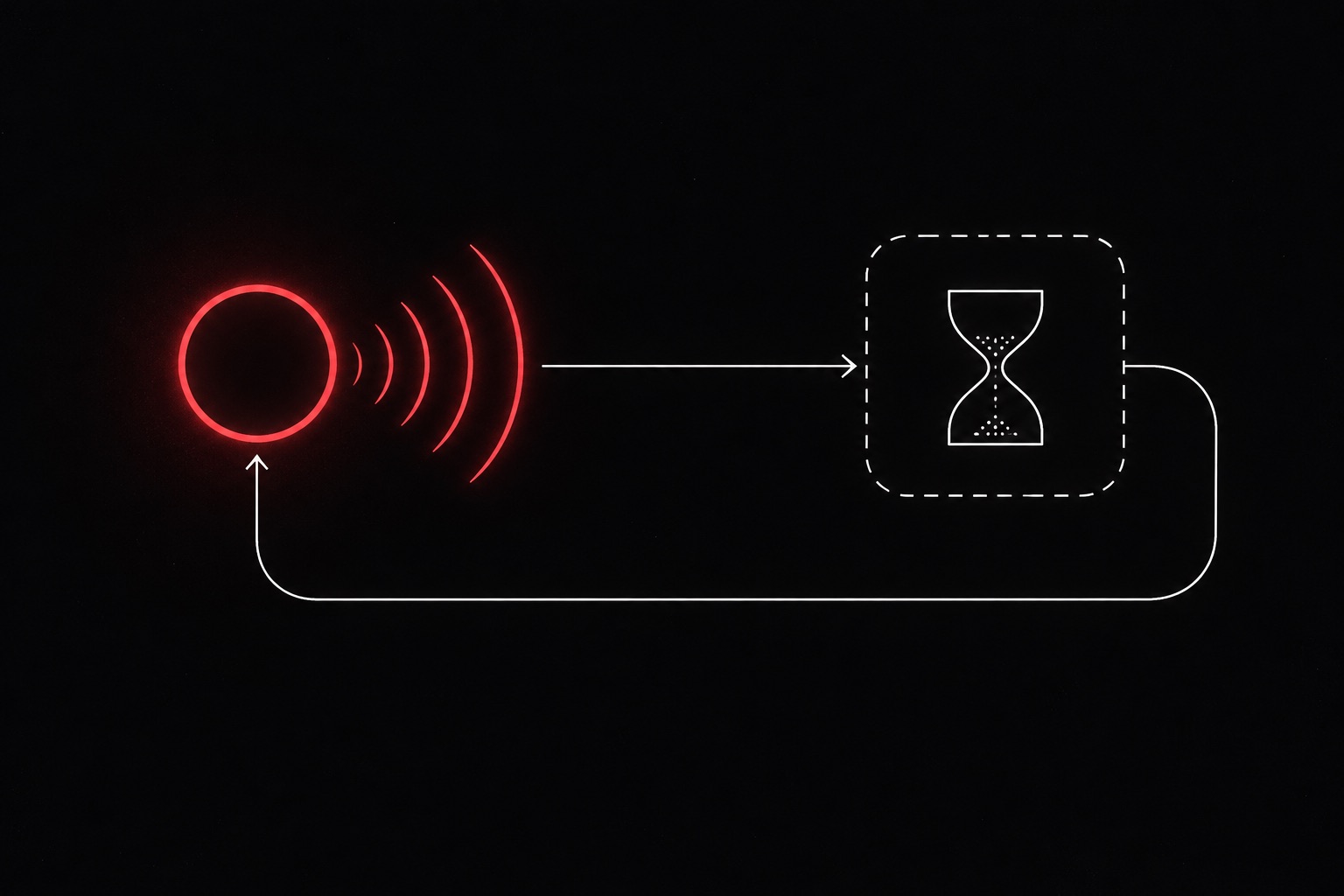
Background Worker
A long job leaves the turn. The agent keeps talking, and the result rejoins the call, or reaches the caller by text.
Pattern 07 -
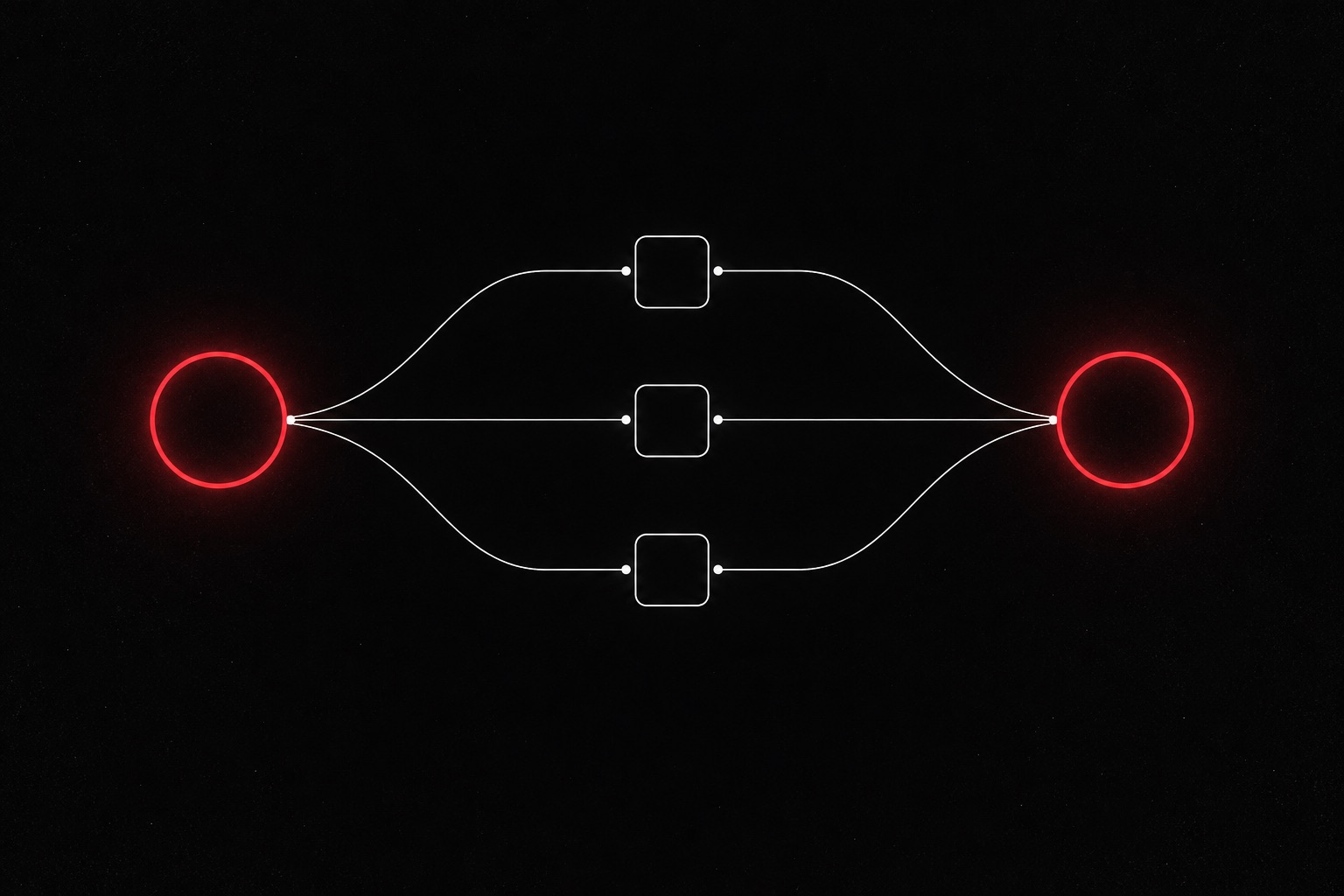
Scatter and Gather
One question goes to several workers at once. Their answers are merged into a single reply.
Pattern 08